Audience: Students
-

Hendawy, M. (CM) – Autonoming Child Online Safety in the Age of AI: From Control to Digital Co-Agency Across Cultures
Children’s lives are now inextricably linked with AI-driven digital systems that shape learning, social interaction, and development. This has elevated child online safety to a central concern for families, policymakers, […]
-
Robbins, A. (ECE) – How to train your organoid: goal-directed learning in biological neural networks
Artificial neural networks can now learn to play games, control robots, generate language, and solve complicated reasoning tasks, yet we still lack a clear understanding of how to directly guide […]
-

Harrison, D. (CS) – Multi-Level Control in Neural Dialogue Generation: Style, Semantics, and Selection through Over-Generation and Ranking
End-to-end neural generation models have largely displaced the modular architectures that once gave dialogue system designers explicit control over what is said and how it is said. While these models […]
-
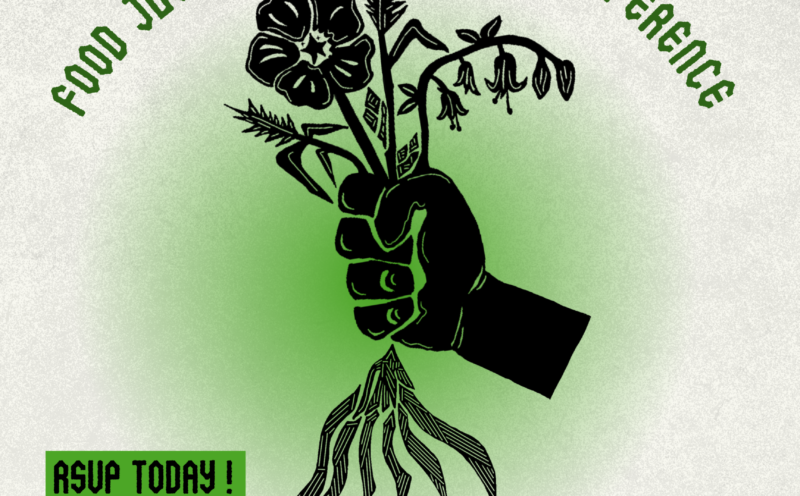
Raíces Y Futuros: Food Justice and Abolition
Join us at the UCSC Farm for an all-day conference on Food Justice and Abolition. We envision this conference as a grounds for cultivating hope and action towards food justice […]
-

What’s new in clinical research careers?
Advance your career in the global clinical research industry. As the demand for safe, effective therapies grows, so does the need for professionals who can lead clinical trials with scientific […]
-

Free Coffee, Snacks, & Conversation
Enjoy a cup of coffee, cocoa, or tea, and a breakfast snack with Merrill Provost McGuinness. Stay and chat with him and Poppy the Merrill Chihuahua, or take it go. See you outside of the Merrill College office, across from the Merrill Mailroom.
-

Educational Therapy Program Info Session
Transform learning Join Diana Black Kennedy, chair of UCSC Silicon Valley’s Educational Therapy certificate program, to learn how this distinctive program prepares educators and professionals to create meaningful, lasting impact. As […]
-
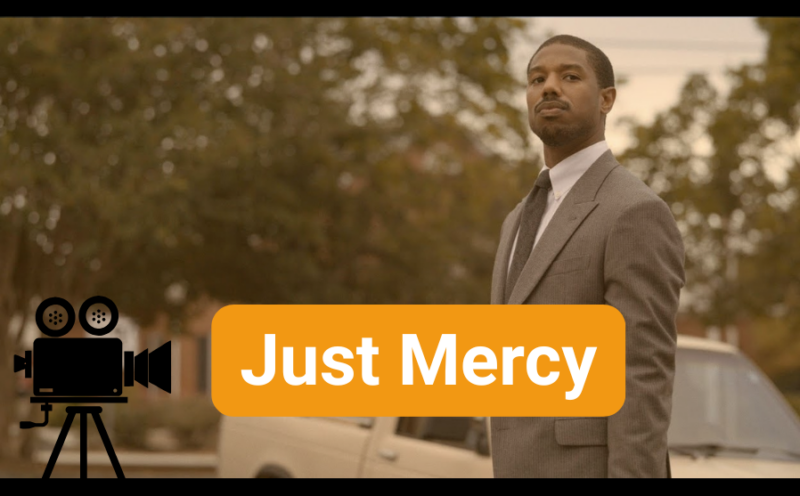
Movies to let you “Think Different”: Just Mercy
Join Porter College for a screening of Just Mercy Whether it’s just entertainment and a study break, or you want to let your mind stretch in a different direction from […]
-
The Future of Work in the Age of AI: March Slugs and Steins with Dean PK Agarwal
The Future of Work in the Age of AI: Chaos, Adaptation, or Growth? Artificial intelligence has reignited an old debate: are we approaching mass technological unemployment, or simply the next […]
-
Teach For America Information Session
Interested in launching a career rooted in service, learning, and community impact? Join Teach For America staff members for an upcoming informational session where you’ll learn more about the paid […]