
Muskism: A Guide For The Perplexed
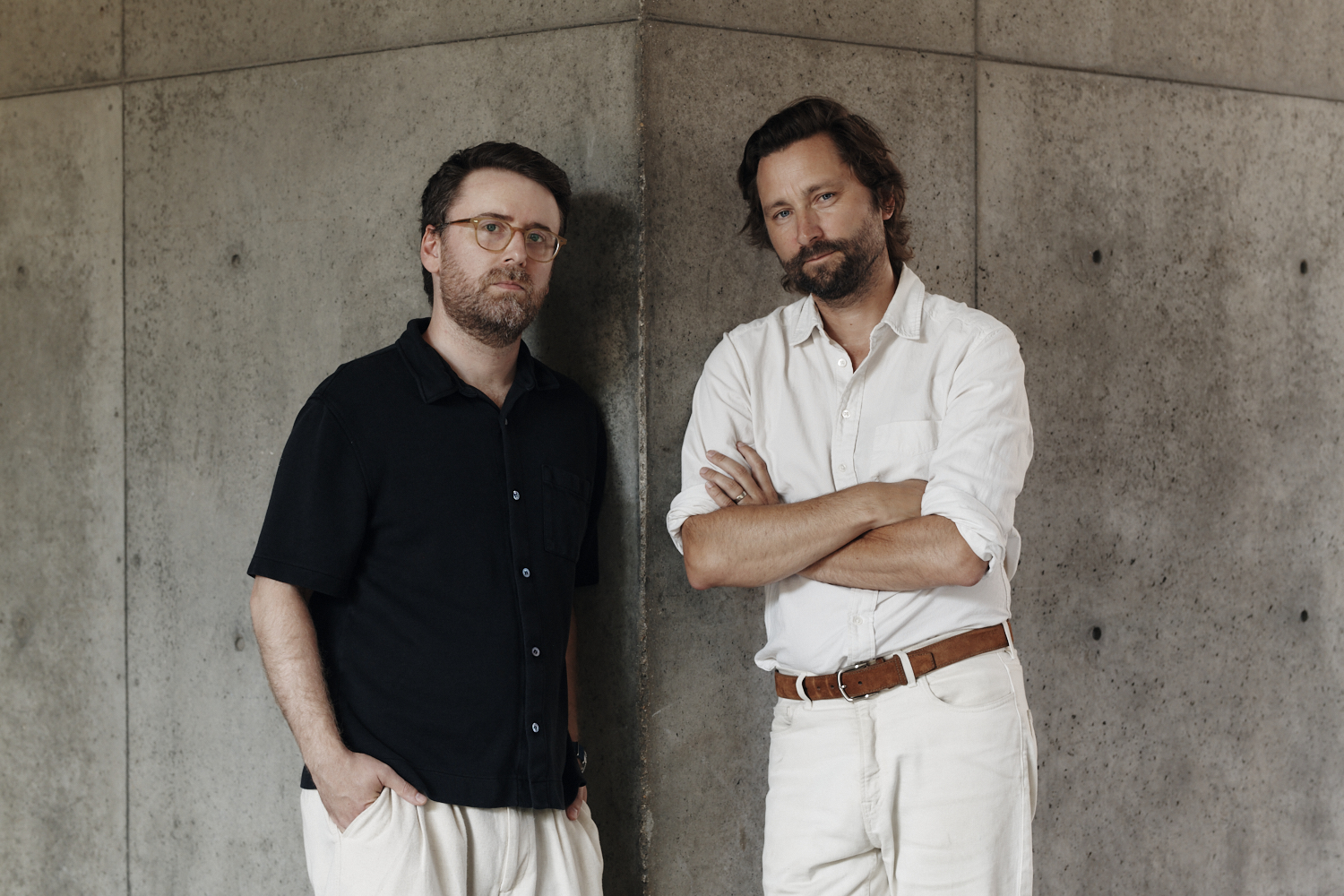
A presentation and discussion with authors Quinn Slobodian, Professor of International History, Boston University, and Ben Tarnoff, Journalist.
To understand Elon Musk and the world he intends to make, we have to understand the worlds that made him. From his early years in apartheid South Africa come a deep commitment to racial hierarchy, industrial self-reliance, and fortress futurism. From Silicon Valley came the idea to finance moonshot projects with public money. And online, Musk uses the tools of virality, repetition, and provocation to undermine legacy institutions in pursuit of a kind of techno-state.
Why should we care? Because the worlds that made Musk are now making ours, say Slobodian and Tarnoff. Into a de-globalizing world comes a promise of sovereignty through technology — but importantly, not for everyone. The institutional breakdown of our era offers an opening for Muskism, Slobodian and Tarnoff warn. At some point, society will stabilize on a new basis, and Muskism could provide the foundation.
Quinn Slobodian is Professor of International History at the Frederick S. Pardee School of Global Studies at Boston University. His books include Crack-Up Capitalism: Market Radicals and the Dream of a World Without Democracy and, most recently, Hayek’s Bastards: The Neoliberal Roots of the Populist Right. In 2024, Prospect Magazine named him one the World’s 25 Top Thinkers.
Ben Tarnoff is a writer and technologist based in Massachusetts and is the author of Internet for the People and the co-author of Voices from the Valley: Tech Workers Talk About What They Do — And How They Do It. He is a frequent contributor to the New York Review of Books, and has also written for The New York Times, The New Yorker, and The New Republic, among other publications.
Together, they are the author of Muskism: A Guide for the Perplexed, due out in March. Rather than attempting to understand Musk as an individual, the book sees him as an avatar of something called Muskism: a playbook for our new postliberal age.
Muskism, they show, speaks the language of crisis and emergency to invoke a less human future, where humans are purged from the productive process and, through social media and video games, merged with the machine. Those who dare enter this worldview, they warn, will grind and live in the shadow of one man. However, the rewards could be priceless — and the alternative might be extinction.