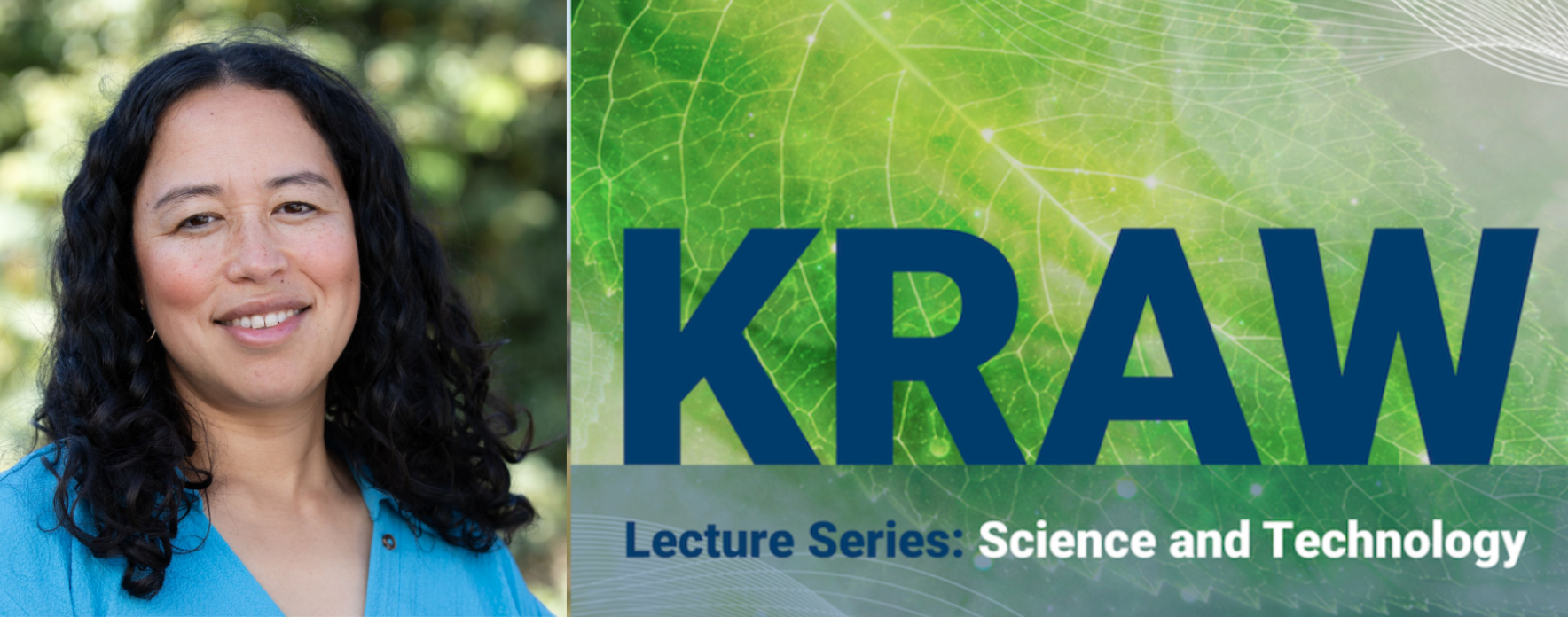
• The UC Santa Cruz Kraw Lecture Series presents: Stars to Soil: A Journey from the Big Bang to Planet Earth

    The UC Santa Cruz Kraw Lecture Series
    Silicon Valley Campus 3175 Bowers Avenue, Santa Clara, CA, United States

    In this Kraw lecture, Professor Alexie Leauthaud will present the latest results on the nature of our universe, including groundbreaking and prize-winning new results on the nature of dark energy. Leauthaud will discuss our current understanding of the basic ingredients of our Universe and will explain why recent results from the Dark Energy Spectroscopic Instrument […]
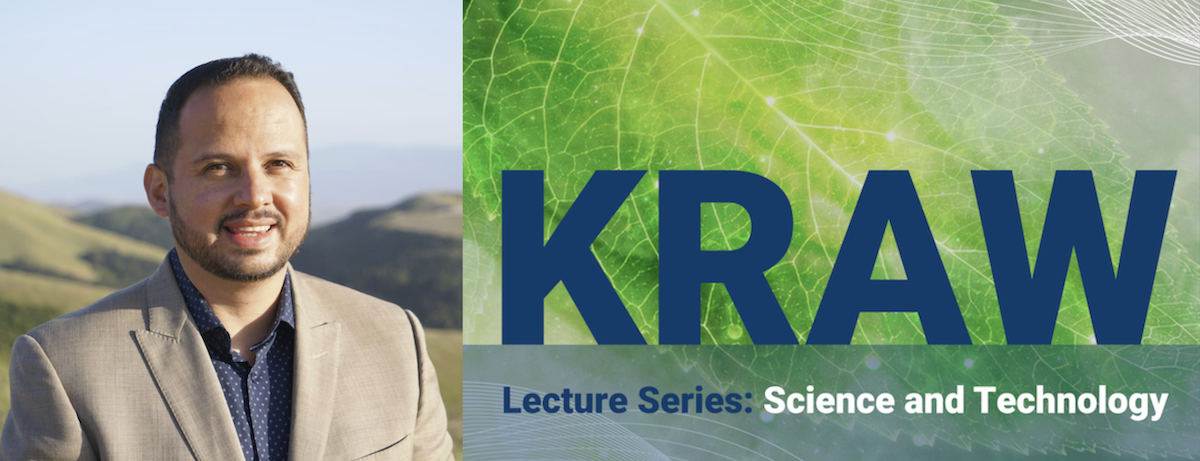
  • Kraw Lecture: Sensing the Unseen: How Drones and Ground Sensors Reveal the Hidden Air Quality Impact

    Silicon Valley Campus 3175 Bowers Avenue, Santa Clara, CA, United States

    How can flying robots help us track the air we breathe and the pollutants we can’t see? In this talk, Assistant Professor Javier González-Rocha  will share how his team uses drones to measure wind patterns and detect airborne pollutants in hard-to-reach places.. These systems help us understand how toxic pollutants and climate emissions move through […]

  • Kraw Lecture: Learning Earth’s Biodiversity via Space and eDNA

    3175 Bowers Avenue Santa Clara, CA 95054 3175 Bowers Avenue, Santa Clara, CA, United States

    The California DNA Program (CALeDNA), launched from the University of California in 2017, has been tackling the massive disconnection in scales of measuring nature from satellite-based sensing down to DNA in a gram of soil or water. Through dozens of collaborative projects around the world, CALeDNA lab scientists have harmonized different ways of observing biodiversity […]

  • The UC Santa Cruz Kraw Lecture Series presents: Unmasking cancer’s complete genetic code

    The UC Santa Cruz Kraw Lecture Series
    Silicon Valley Campus 3175 Bowers Avenue, Santa Clara, CA, United States

    In this Kraw lecture, Angela Brooks will discuss her work on cancer research. Current cancer research focuses almost entirely on finding errors—mutations—in DNA. This has given us incredible tools like precision oncology, matching patients with targeted drugs. But cancer cells almost always develop drug resistance, causing treatments to fail and limiting patient survival. An often-overlooked […]