Engineering Teaching Community (Faculty)
Jack Baskin Engineering Baskin Engineering 1156 High Street, Santa Cruz, CAThis quarter, make time for you, for reflection, and for community!
This quarter, make time for you, for reflection, and for community!
Welcome to the second week of our BME 280B seminar series, a weekly seminar covering topics of current research in computational biology, and bioinformatics. Open to all, food will be provided. Class enrollment is not required. Please join us this week to learn more about the works of Dr. Paulina Tolosa Tort and Erich […]
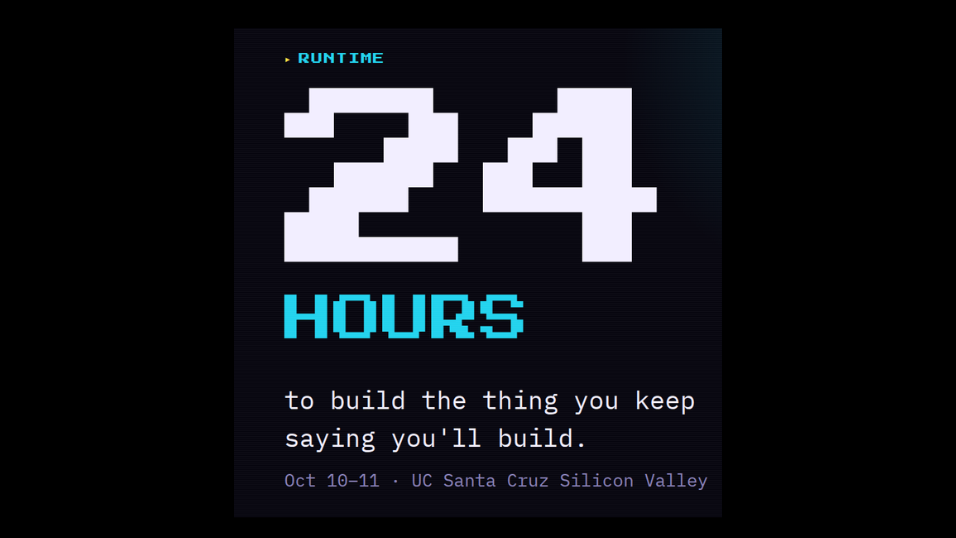
One weekend. One room. Three tracks: Robotics, Cloud AI, and Local AI. Build something real with AI — alongside students, engineers, founders, and neighbors from across the Bay Area. Bring an idea, a laptop, and a willingness to ship. We’ll provide the rest: mentors, models, meals, and a stage to demo what you made. Open […]
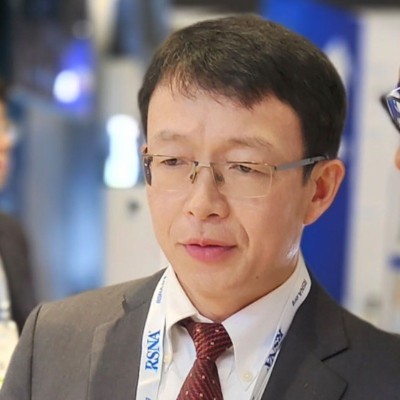
Presented by: Jin Zhang, Chief Engineer @ iRay Group Description: “Photon-counting detectors measure individual X-ray interactions, enabling fine spatial sampling and energy-resolved imaging. This seminar connects semiconductor signal formation and readout electronics to imaging benefits and practical limitations in medical and industrial applications. It examines charge sharing, pulse pileup, calibration drift, and material decomposition, then surveys clinical […]
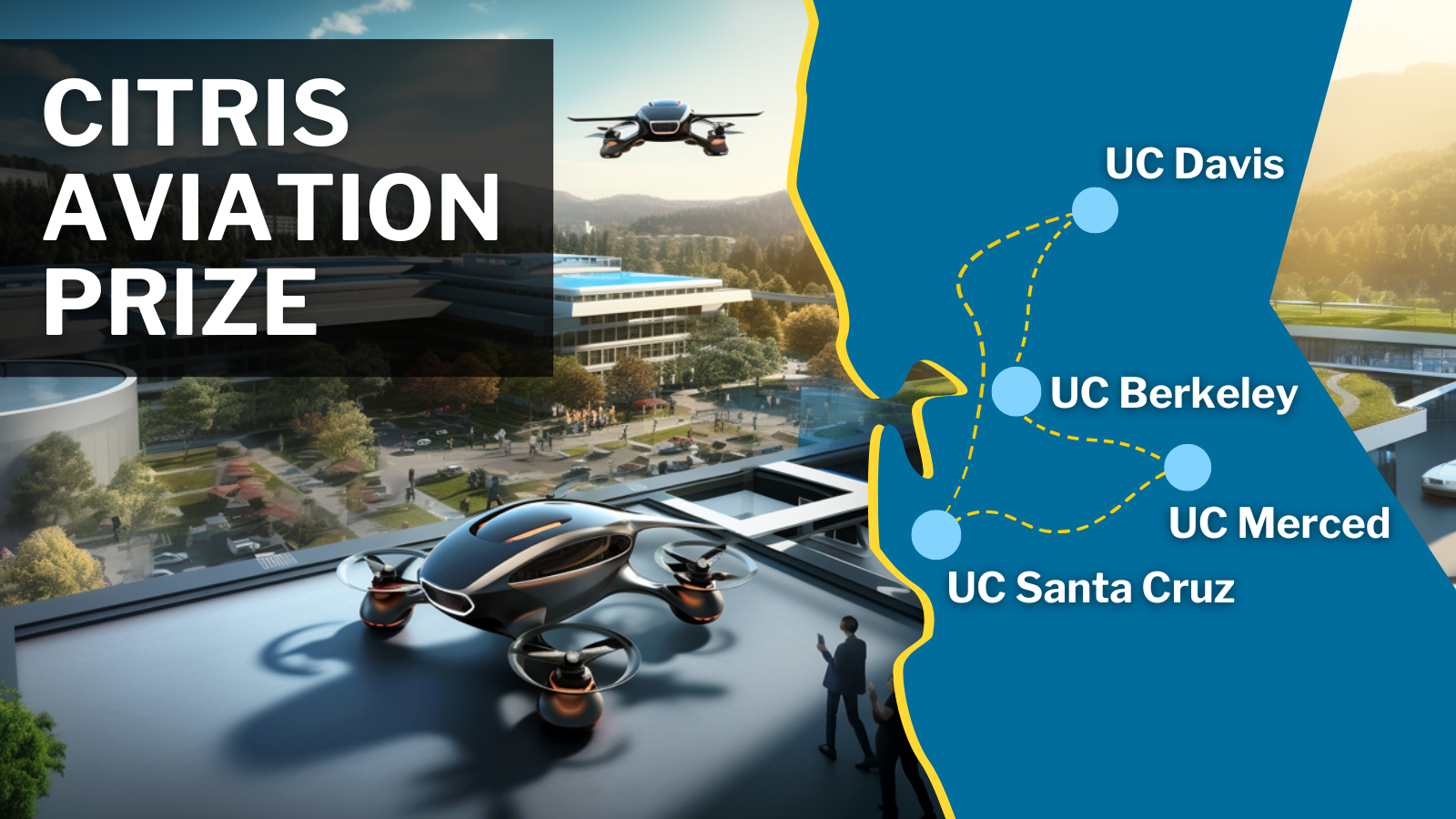
Join us for a virtual info session on the 2026–27 CITRIS Aviation Prize, an exciting multi-campus student competition inviting teams to design innovative solutions for the future of air mobility across the University of California. The session will cover this year’s competition guidelines, key dates and requirements, and available resources. Attendees will also have the […]
If you are interested in pursuing a career in science, technology, engineering, mathematics or research, then take advantage of this opportunity to meet recruiters from companies looking to fill various positions (both technical and non-technical). Learn more about internships and full-time career opportunities. Undergraduate students, graduate students, and recent alumni are all welcome to attend!
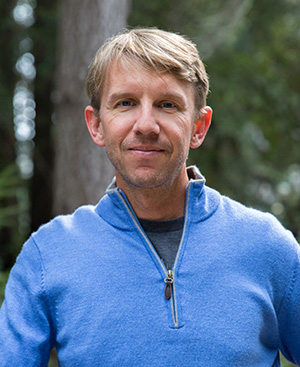
Presenter: J. Xavier Prochaska, Professor, UC Santa Cruz Description: I will present two current and challenging research problems from the domains of astrophysics and oceanography which are leveraging standard Bayesian methods. After describing the datasets, scientific goals, and currently methodology, I will welcome a discussion on ways to improve, advance, and/or replace the current approaches. […]
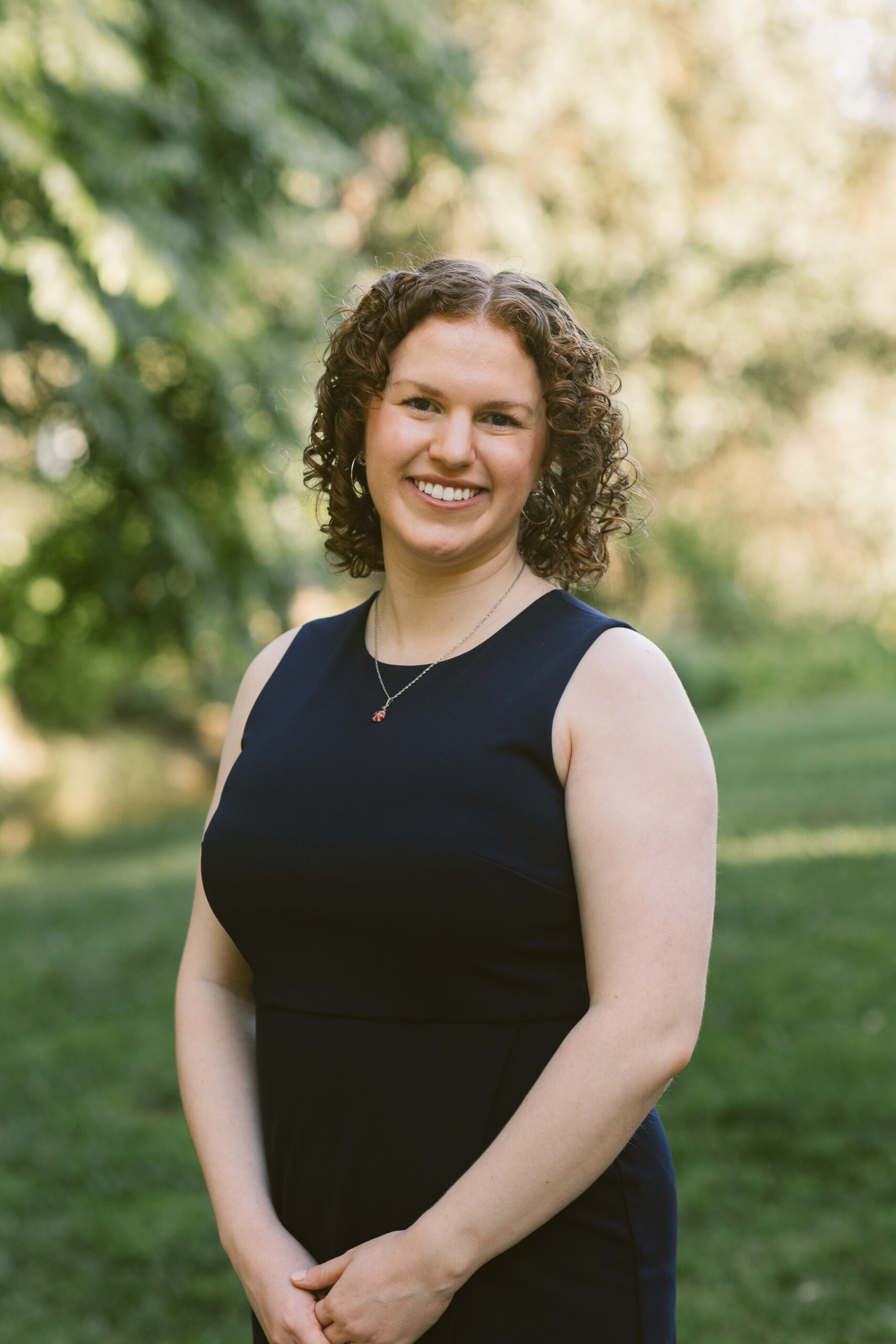
Presenter: Dr. Kelli Gutierrez, CSU Monterey Bay Description: Many microswimmers propel themselves using flagella, which are thin, threadlike filaments that beat in a periodic wavelike motion. The flagellar beat emerges from the coupled interactions between the surrounding fluid and the active and passive responses of the flagellum. Previous studies have observed the qualitative shape of […]
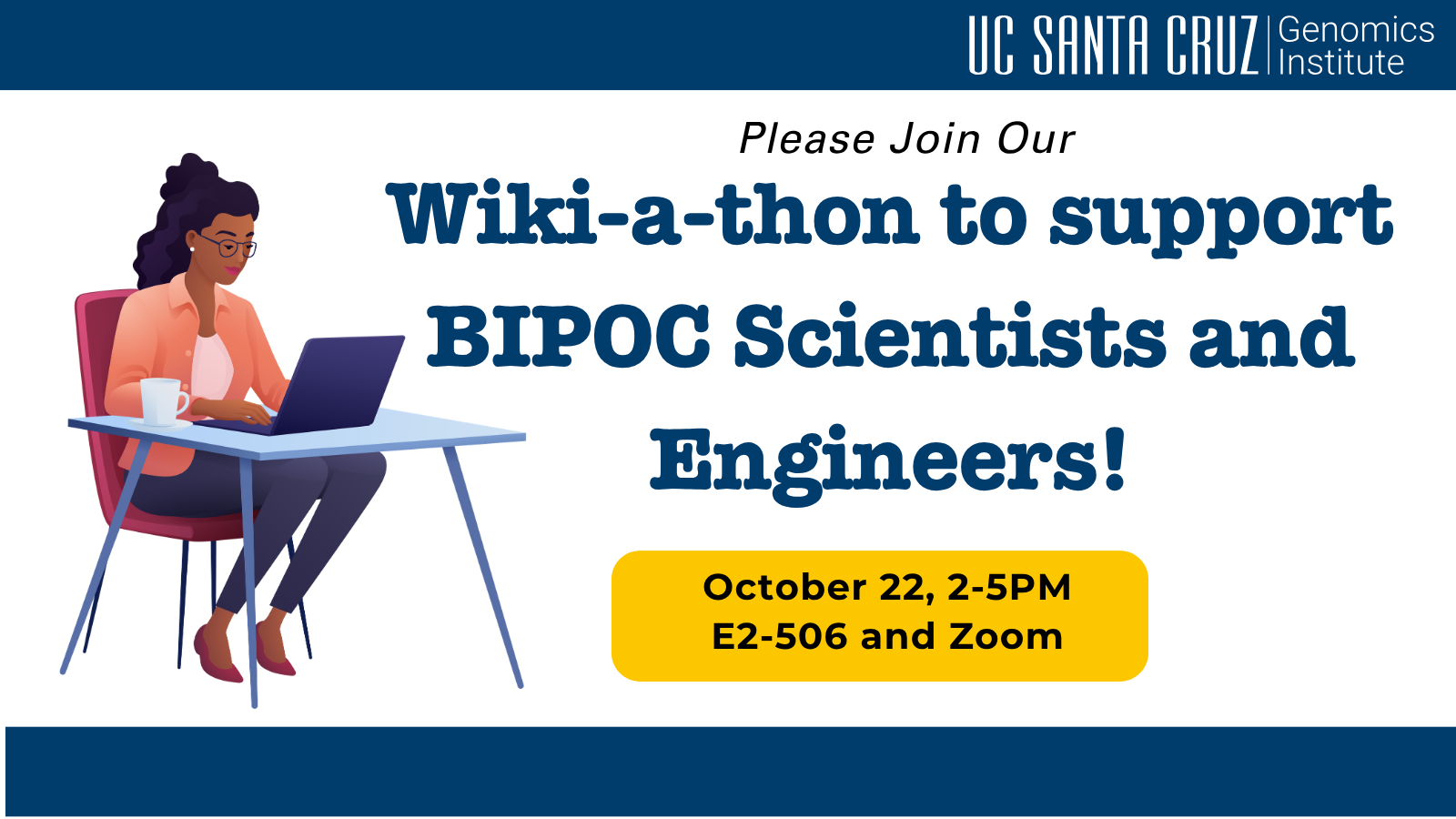
No experience necessary! We will provide a list of scientists who don’t yet have pages, or you can come up with your own. The event will begin with a short training on how to edit Wikipedia, followed by time to write your own article on a scientist, engineer, or technologist of your choice.

Presenter: Enter the speaker’s name, title, and institution at the top of the event Description: Optimal transport (OT) provides a principled way to match, compare, and interpolate distributions, but its computational cost limits its use at realistic scales. I will present our recent work on reducing that cost and on using OT for statistical modeling […]
Presenter: Reza Fazel-Rezai, Senior Science and Education Application Engineer, MathWorks Description: Please join us to learn how to accelerate data analysis using a workflow that spans low-code tools, Generative AI, and Agentic AI. Through live demonstrations and practical examples, you’ll see how to import, explore, visualize, model, and process data using interactive tools that require […]